India space economy and IN-SPACe reforms: APSC Current Affairs Notes and MCQs
APSC CCE current affairs notes on India space economy and IN-SPACe reforms, from The Assam Tribune of 16 November 2026, with 4 practice MCQs for Prelims.
 For working professionals and full-time aspirantsAPSC CCE Foundation Programme₹24,999
Current Affairs Notes
From The Assam Tribune, 16 November 2026
India’s Space Economy at 9 Billion Dollars: NSIL, IN-SPACe and Private Startups
Syllabus Mapping
- Prelims: GS Paper I (Current events of national importance; Science and Technology; Indian Economy).
- Mains: GS Paper III (Awareness in the fields of IT, Space, Computers; Indigenization of technology and developing new technology; Investment models); GS Paper V (Economy of Assam: Infrastructure & Resources; Disaster Management with relevant emphasis on Assam).
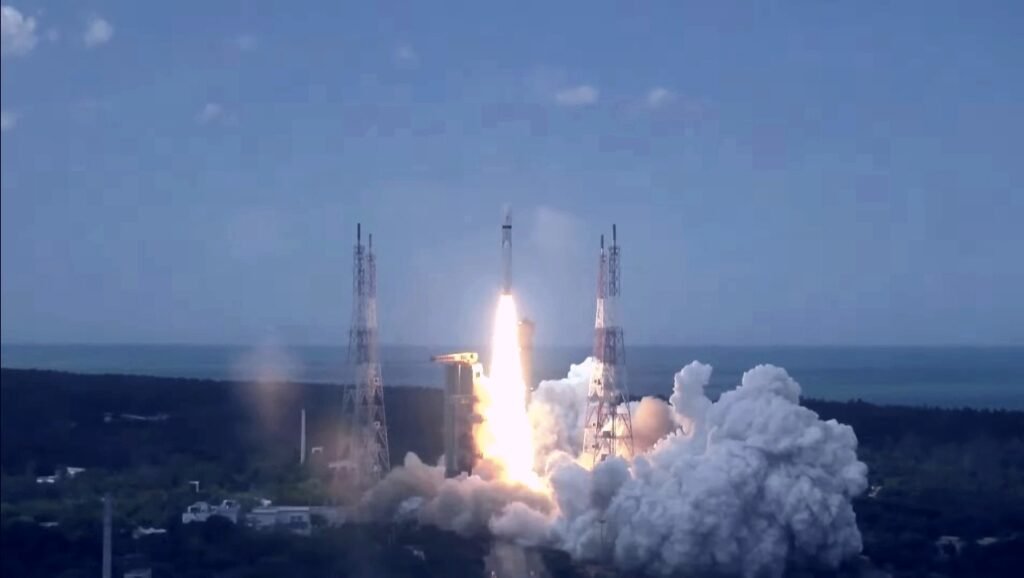
Why in News? A government statement, reported from New Delhi on 15 November 2026, puts India’s space economy at about $9 billion, up from $8.4 billion in 2023. It also says registered space startups have grown to 440, from just one in 2014.
Current Context (The Trigger)
- Size of the economy: India’s space economy is now about $9 billion, against $8.4 billion in 2023.
- Startups: Registered space startups number 440. In 2014 there was only one.
- Investment: A government factsheet says cumulative investment in Indian space startups rose more than six times. It went from $100.5 million in 2021-22 to $618.5 million by 31 March 2026.
- NSIL revenue: NewSpace India Limited (NSIL) revenue grew nearly ten times. It rose from Rs 321.77 crore in FY 2021-22 to over Rs 3,000 crore in FY 2024-25.
- Private launches: Six Indian non-government entities (NGEs) have launched 18 satellites. Also, 25 payloads have flown or are scheduled on PSLV Orbital Experimental Module (POEM) platforms.
Core Concepts & Static GK
- NewSpace India Limited: NSIL was incorporated on 6 March 2019 under the Companies Act, 2013. It is a wholly owned Government of India company under the administrative control of the Department of Space (DoS).
- NSIL mandate: Its job was later widened to commercialise technologies developed with public funds. It also pools demand from government and other customers and sells technologies and services in India and abroad.
- IN-SPACe: The Indian National Space Promotion and Authorisation Centre is an autonomous agency under the DoS. It is the single-window interface for private firms that need regulatory clearance.
- Non-government entity (NGE): The Indian Space Policy 2023 defines an NGE as a company under the Companies Act, 2013. It can also be a limited liability partnership, a trust or a registered association of persons. The policy lets NGEs carry out end-to-end space activities.
- The 2020 reforms: The government announced major space-sector reforms on 24 June 2020. Their aim was to bring private enterprise into the sector.
- POEM: POEM stands for PSLV Orbital Experimental Module. Payloads from private and other users are flown on these platforms.
Constitutional & Legal Framework
- Indian Space Policy 2023: The policy calls itself an overarching, composite and dynamic framework. It carries out the reform vision approved by the Cabinet.
- Open data rule: Under the policy, ISRO remote-sensing data with a ground sampling distance of 5 metres and higher is to be free and open to all.
- Space FDI rules, February 2024: On 21 February 2024 the Union Cabinet amended the foreign direct investment (FDI) policy for space. Up to 74% is allowed under the automatic route for satellite manufacturing and operation, satellite data products, and ground and user segments.
- Launch vehicles and spaceports: Up to 49% is allowed under the automatic route for launch vehicles and their systems, and for creating spaceports. Beyond 49%, government approval is needed.
- Components: Up to 100% is allowed under the automatic route for making components, systems and sub-systems for satellites and for ground and user segments.
- Legal backing for FDI: The Department of Economic Affairs notified the change on 16 April 2024. It amended the Foreign Exchange Management (Non-Debt Instruments) Rules, 2019.
- No space Act yet: India still has no dedicated space law passed by Parliament. Media reports in 2026 said a redrafted Space Activities Bill was still at the consultation stage, so the sector runs mainly on executive policy.
Institutional Machinery
- Department of Space: The policy makes DoS the nodal department for carrying out the policy. It must also make sure each body works in its own area without overlap.
- ISRO: The Indian Space Research Organisation is to move out of making operational space systems. The policy says mature systems pass to industry, and ISRO focuses on research and development in advanced technology.
- NSIL: The policy calls NSIL the public sector undertaking under DoS. It is responsible for commercialising space technologies and platforms created through public expenditure.
- IN-SPACe duties: It promotes private participation and authorises and supervises space activities. It also covers access to ISRO facilities, mission safety, launch readiness, orbital and frequency coordination, and spacecraft registration.
- IN-SPACe scorecard: By 31 January 2026 it had facilitated 71 technology transfers to industry and startups. By mid-2026 it had granted 113 authorisations to 52 NGEs, of which 18 were startups.
Reports, Indices & Data
- Technology transfers by NSIL: NSIL has signed 118 technology transfer agreements covering 83 ISRO technologies.
- Source of figures: The $9 billion estimate and the startup numbers come from a government statement and factsheet. They are official claims, not an independent audit.
- Growth since 2023: The economy moved from $8.4 billion in 2023 to about $9 billion now. That is a rise of roughly $0.6 billion.
Assam & Northeast Linkages
- NESAC: The North Eastern Space Applications Centre is a joint initiative of the Department of Space and the North Eastern Council (NEC). Its aim is to give the North Eastern Region development support using space science and technology.
- Location: NESAC is at Umiam in Ri Bhoi district of Meghalaya, near Shillong. It is listed by ISRO as an autonomous body under the Department of Space.
- Role: It acts as a nodal centre for major national and regional programmes on natural resource management. It also works with the State Remote Sensing Application Centres of the region.
- Wider support: NESAC supports disaster management and healthcare in the region. It also does research in Earth observation, satellite communication and atmospheric science.
Prelims Trap Zones (Watch out for)
- Body Trap: IN-SPACe is an autonomous agency under the DoS. NSIL is a company incorporated under the Companies Act, 2013. Do not swap the two.
- Date Trap: NSIL was set up in March 2019. The space reforms were announced on 24 June 2020. The Indian Space Policy is of 2023, and the FDI change is of February 2024.
- FDI Trap: The automatic-route limits differ by activity: 74% for satellites, 49% for launch vehicles and spaceports, 100% for components. Do not apply one figure to all.
- Number Trap: Startups are 440 (one in 2014). Authorisations are 113 to 52 NGEs, of which 18 are startups. Technology transfers are 71 (IN-SPACe) against 118 agreements (NSIL).
- Role Trap: NSIL sells and commercialises technology. IN-SPACe authorises and supervises private activity. ISRO focuses on research and development.
- Partner Trap: NESAC is a joint initiative of the Department of Space and the North Eastern Council. It is not a body of IN-SPACe or NSIL.
Introduction
India’s space economy has grown to about $9 billion, and registered space startups have gone from one in 2014 to 440. The change followed the 24 June 2020 reforms that let private firms work alongside ISRO. For Assam and the North East, the story matters because NESAC at Umiam already uses space technology for the region’s development planning.
Need and Rationale for Opening the Sector
- Maturity of ISRO: Once India’s space sector had grown strong, the government chose to open it up beyond a mostly state-run model. It kept public-sector leadership but invited private enterprise.
- Focus on research: The Indian Space Policy 2023 says ISRO should stop making operational space systems. Mature systems pass to industry, and ISRO works on advanced research and new systems.
- Global market: The growing global commercial space market gives India a chance to scale up industrial participation.
- Demand aggregation: NSIL was tasked with pooling demand from government and other customers. This gives young firms a steady buyer.
- Capital inflow: Cumulative startup investment reached $618.5 million by 31 March 2026, so investors are responding. The 2024 FDI changes also widen the pool of foreign money.
Roles of the Key Institutions
| Body | Role | Evidence |
|---|---|---|
| ISRO | Research and development; transfer of mature systems to industry | The policy asks ISRO to share technologies with NGEs and Government companies. NSIL has signed 118 technology transfer agreements covering 83 ISRO technologies. |
| NSIL | Commercial arm of DoS, set up in March 2019 | Its revenue rose from Rs 321.77 crore (FY 2021-22) to over Rs 3,000 crore (FY 2024-25). |
| IN-SPACe | Single-window authorisation and promotion | 113 authorisations to 52 NGEs by mid-2026, of which 18 were startups. |
| Department of Space | Nodal department for the policy | It must make sure bodies do not overlap each other’s work. |
| Non-government entities | End-to-end space activities, under IN-SPACe rules | Six NGEs launched 18 satellites. |
Achievements So Far
- Startup growth: Registered space startups rose from one in 2014 to 440.
- Revenue growth: NSIL revenue went up nearly ten times between FY 2021-22 and FY 2024-25.
- Authorisations: IN-SPACe has issued 113 authorisations, so the single-window system is working in practice.
- Private launches: Six Indian NGEs have launched 18 satellites.
- Shared platforms: 25 payloads were flown or scheduled on POEM platforms. This gives smaller users a way to fly their experiments on PSLV missions.
- Technology flow: IN-SPACe had facilitated 71 technology transfers to industry and startups by 31 January 2026.
Challenges
- No dedicated law: Parliament has not yet passed a space law. Reports say the Space Activities Bill is still under consultation, so the sector runs on executive policy.
- Licensing and security checks: Private space activity remains subject to licensing, safety and security requirements. These can slow small firms.
- Dependence on ISRO facilities: IN-SPACe provides access to ISRO facilities only subject to safety considerations and operational priorities. Startups may have to wait for their turn.
- Small startup share: Only 18 of the 52 NGEs that received authorisations are startups. So most authorised entities are established firms or other bodies.
- Limited foreign stake in launchers: The automatic route for launch vehicles and spaceports stops at 49%. Higher stakes need government approval, which may slow large investments.
- Official numbers: The headline figures are government estimates. The news report gives no independent check of them.
Way Ahead
- Enact a space law: The Department of Space should complete work on the Space Activities Bill and take it to Parliament. A statute gives firms legal certainty on licensing and liability.
- Faster authorisations: IN-SPACe should publish clear timelines for each type of authorisation. This helps startups plan their funding.
- More technology transfer: ISRO and NSIL should keep moving mature systems to industry, as the 2023 policy requires.
- Steady demand: NSIL should keep pooling government and other demand so startups have anchor customers.
- Use regional centres: NESAC at Umiam can help Assam and other North East states use space data for natural resource and disaster planning. This also builds local demand for private space firms.
- Independent tracking: The Department of Space should publish yearly data on startup jobs and revenue so that claims can be checked.
Conclusion
The numbers show that the 2020 reforms and the 2023 policy have brought private players into a field once run only by the state. The next test is a clear space law, faster approvals and demand that reaches regions like the North East. Only then will growth last beyond the first wave of firms.
APSC Prelims MCQs
Practice questions on this topic
Q1. Consider the following statements about India’s space-sector institutions:
(i) NewSpace India Limited, set up in March 2019, is the business arm of the Department of Space.
(ii) NSIL was incorporated under the Companies Act, 2013.
(iii) The Indian National Space Promotion and Authorisation Centre (IN-SPACe) is a public sector company that sells ISRO technology abroad.
Which of the statements given above is/are correct?
- (a) (i) and (ii) only
- (b) (ii) and (iii) only
- (c) (i) only
- (d) (i), (ii) and (iii)
Show answer
Answer: (a) Explanation: Statements (i) and (ii) are correct. NSIL, set up in March 2019, is the business arm of the Department of Space. It was incorporated on 6 March 2019 under the Companies Act, 2013, and the Government of India owns it fully. Statement (iii) is wrong. IN-SPACe is an autonomous agency under the Department of Space, not a company. It works as the single-window interface for private firms and authorises and supervises their space activities. Selling ISRO technology is the work of NSIL. So options (b) and (d) fail because they include (iii), and (c) fails because it leaves out (ii). Value addition: NSIL is headquartered on the ISRO HQ campus, New BEL Road, Bengaluru.
Q2. Match List-I with List-II:
| List-I (Body) | List-II (Role under the Indian Space Policy 2023) |
|---|---|
| a. ISRO | 1. Nodal department for carrying out the policy |
| b. NSIL | 2. Single-window agency for authorising space activities |
| c. IN-SPACe | 3. Focus on research and development; transfer mature systems to industry |
| d. Department of Space | 4. Commercialise space technologies created through public expenditure |
Select the correct answer using the codes given below:
- (a) a-3, b-2, c-4, d-1
- (b) a-1, b-4, c-2, d-3
- (c) a-3, b-4, c-2, d-1
- (d) a-4, b-3, c-1, d-2
Show answer
Answer: (c) Explanation: The Indian Space Policy 2023 asks ISRO to focus on research and development and hand mature systems to industry. So a matches 3. It describes NSIL as the public sector undertaking that commercialises technologies built with public money, so b matches 4. IN-SPACe is the single-window agency that authorises space activities, so c matches 2. The Department of Space is the nodal department for carrying out the policy, so d matches 1. Option (a) wrongly gives NSIL the authorisation task. Options (b) and (d) wrongly give ISRO the nodal or commercial role. Value addition: under the policy, ISRO remote-sensing data with a ground sampling distance of 5 metres and higher is free and open to all.
Q3. The North Eastern Space Applications Centre (NESAC), located at Umiam in Meghalaya, is a joint initiative of the Department of Space and which other body?
- (a) Ministry of Development of North Eastern Region
- (b) North Eastern Council
- (c) NITI Aayog
- (d) Indian National Space Promotion and Authorisation Centre
Show answer
Answer: (b) Explanation: ISRO describes NESAC as a joint initiative of the Department of Space and the North Eastern Council (NEC). It gives the North Eastern Region development support through space technology from Umiam in Ri Bhoi district of Meghalaya. Option (a) is wrong because ISRO names the Council, not the Ministry of Development of North Eastern Region, as the partner. Option (c) is wrong because NITI Aayog is a policy think tank, not a partner. Option (d) is wrong because IN-SPACe is the authorisation agency for space activities, not a NESAC partner. Value addition: NESAC is a nodal centre for natural resource management programmes and works with the State Remote Sensing Application Centres of the North East.
Q4. The FDI policy on space was amended in February 2024. What is the limit for foreign investment under the automatic route in launch vehicles and associated systems?
- (a) 26 per cent
- (b) 49 per cent
- (c) 74 per cent
- (d) 100 per cent
Show answer
Answer: (b) Explanation: The Union Cabinet approved the amendment on 21 February 2024. It allows up to 49 per cent under the automatic route for launch vehicles and associated systems or sub-systems, and for creating spaceports. Beyond 49 per cent, the government route applies. Option (c), 74 per cent, is the automatic limit for satellite manufacturing and operation, satellite data products, and ground and user segments. Option (d), 100 per cent, applies to making components and systems or sub-systems for satellites and for the ground and user segments. Option (a), 26 per cent, is not a limit in this amendment. Value addition: before this change, FDI in establishing and operating satellites was allowed only through the government approval route.
Prepare with SuchitraACS
APSC CCE Foundation Programme₹24,999  APSC Prelims Crash Course 2027 (GS + CSAT)₹5,999
 APSC Prelims PYQ Book 2020-2025 (PDF)₹199See the book