Thiamine deficiency in Northeast women: APSC Current Affairs Notes and MCQs
APSC CCE current affairs notes on Thiamine deficiency in Northeast women, from The Assam Tribune of 23 November 2026, with 4 practice MCQs for Prelims.
 For working professionals and full-time aspirantsAPSC CCE Foundation Programme₹24,999
Current Affairs Notes
From The Assam Tribune, 23 November 2026
Thiamine (Vitamin B1) Deficiency among Pregnant and Lactating Women in Barak Valley and Tripura
Syllabus Mapping
- Prelims: GS Paper I (Current events of national and international importance; Economic and Social Development – Social Sector Initiatives; General Science).
- Mains: GS Paper II (Issues relating to development and management of Social Sector/Services relating to Health, Education, Human Resources; Issues relating to poverty and hunger; Welfare schemes for vulnerable sections). GS Paper V (Economy of Assam: Government Welfare Schemes for Women and Children).
Why in News? A new multi-institution study has found that Thiamine (Vitamin B1) deficiency has come back. It affects pregnant and lactating women in Barak Valley (Assam) and adjoining Tripura. India once thought this deficiency was under control. The findings were reported from Guwahati on 22 November. The study appears in the Annals of the New York Academy of Sciences.
Current Context (The Trigger)
- Re-emergence: The study says Thiamine deficiency has reappeared in parts of the Northeast, although India once considered it controlled.
- Size of the problem: About one in five women showed biochemical or functional deficiency. Nearly one in 10 women showed severe functional impairment.
- Study design: The study ran during 2023-2024 in Barak Valley of Assam and adjoining districts of Tripura. The women came from 120 villages.
- Scale and method: It is described as one of the largest community-based studies in India. It measured both biochemical and functional Thiamine status together in pregnant and lactating women.
- Main cause: The researchers link the burden mainly to social disadvantage, monotonous rice-based diets and food practices rooted in culture. They say gaps in the use of maternal health services are not the main reason.
- Silent problem: The study calls the deficiency common, mostly silent and preventable. Because most of it is subclinical, the researchers say the real burden is probably much larger than recognised beriberi cases show.
Core Concepts & Static GK
- Thiamine (Vitamin B1): It is a water-soluble B vitamin. Its active form, thiamine diphosphate, is a cofactor (helper molecule) for enzymes such as pyruvate dehydrogenase and transketolase.
- Why it matters: Thiamine works as a co-enzyme in the breakdown of carbohydrates for energy. FAO/WHO link beriberi in adults to high carbohydrate intake, mainly from milled rice.
- Beriberi: Dry beriberi mainly damages the peripheral nerves (polyneuropathy). Wet beriberi mainly affects the heart and blood vessels and causes swelling (oedema).
- Infantile beriberi: Exclusively breastfed babies of Thiamine-deficient mothers are at greatest risk. Signs include vomiting, refusal to breastfeed and constant loud crying, and untreated cases can die within hours.
- Small body stores: The body keeps very little Thiamine, and stores can run down within about two weeks of poor intake. So regular daily intake matters.
- Thiamine deficiency disorders (TDDs): TDDs were once widespread among people who eat polished rice. Milling and polishing remove much of the grain’s Thiamine.
- Subclinical deficiency: This means low Thiamine status without clear signs of disease. It was the main form found in this study.
Constitutional & Legal Framework
- National Food Security Act, 2013: Section 4 entitles every pregnant woman and lactating mother to a free meal through the local anganwadi. The meal is available during pregnancy and for six months after childbirth.
- Maternity benefit: The same section provides a maternity benefit of not less than Rs 6,000, subject to schemes framed by the Centre.
- Link to this study: This meal entitlement is a legal channel through which Thiamine-rich or fortified food could reach the women at risk.
Institutional Machinery
- Anganwadi network: Anganwadi centres give supplementary nutrition to pregnant women and lactating mothers under Saksham Anganwadi and Poshan 2.0. The Ministry of Women and Child Development runs these.
- Health system: The Ministry of Health and Family Welfare runs Anaemia Mukt Bharat Abhiyaan. Its revised guidelines add intravenous iron therapy for pregnant and lactating women with severe anaemia.
- Poshan Tracker: This is a central ICT data system for nutrition services. In 2022 the Ministry said it was being linked with the Health Ministry’s RCH (Anmol) portal.
Schemes & Initiatives
- Saksham Anganwadi and Poshan 2.0: The Centre approved this mission for the 15th Finance Commission period, 2021-22 to 2025-26. Anganwadi Services, Poshan Abhiyaan and the Scheme for Adolescent Girls were subsumed under it.
- Anaemia Mukt Bharat: It began in 2018 with a 6x6x6 strategy. On 29 June 2026 the Health Ministry released revised guidelines that expand it to a 7x7x7 framework. Low birth weight babies (0-6 months) are the seventh beneficiary group.
- Fortified rice: The Centre supplies rice fortified with iron, folic acid and vitamin B12. It goes out through the Targeted Public Distribution System, ICDS, PM POSHAN and other welfare schemes. In October 2024 the Cabinet approved its continuation from July 2024 to December 2028.
- Gap: The government’s fortified rice carries iron, folic acid and vitamin B12, so Thiamine is not part of this package.
Reports, Indices & Data
- This study: About one in five women had biochemical or functional deficiency, and nearly one in 10 had severe functional impairment.
- NFHS-5 (2019-21), Assam: 68 per cent of children aged 6-59 months were anaemic. 66 per cent of women were anaemic.
- Child nutrition in Assam: NFHS-5 found 35 per cent of children under five stunted and 22 per cent wasted.
Assam & Northeast Linkages
- Study area: The women came from Barak Valley in Assam and adjoining districts of Tripura.
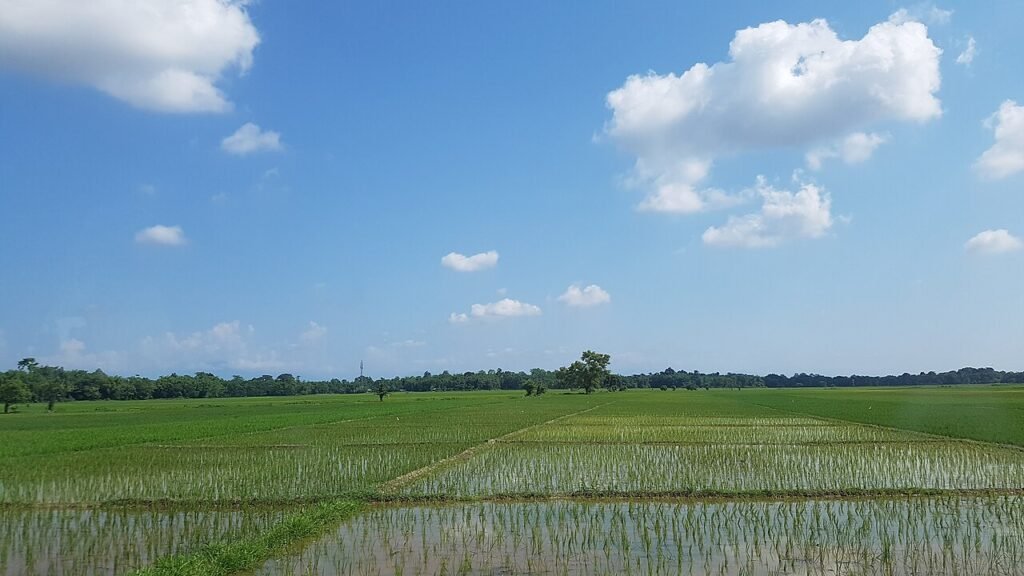
- Staple diet: Most participants ate cereals and roots or tubers every day. Polished white rice was the main staple.
- Foods eaten rarely: Green leafy vegetables, legumes, nuts and animal-source foods reached the plate mostly weekly or occasionally.
- Fish: Fish was the animal-source food eaten most often. Eggs, poultry, meat, fruits and dairy were eaten irregularly.
- Policy ask: The researchers want India’s maternal nutrition strategies to name Thiamine deficiency explicitly, especially in high-risk regions such as the Northeast.
Prelims Trap Zones (Watch out for)
- Vitamin Trap: Thiamine is Vitamin B1. Do not mix it with B2 (riboflavin) or B12 (one of the nutrients in fortified rice).
- Cause Trap: The study blames diet and social disadvantage, not poor use of maternal health services.
- Number Trap: “About one in five” is the deficiency (biochemical or functional). “Nearly one in 10” is the severe functional impairment. Do not swap them.
- Place and Year Trap: The study covers Barak Valley of Assam and adjoining Tripura districts, not the Brahmaputra Valley. It was conducted in 2023-2024.
- Fortification Trap: The government’s fortified rice kernels carry iron, folic acid and vitamin B12, not Thiamine.
- Disease Trap: Beriberi is the classic disease of Thiamine deficiency, but most deficiency in this study was subclinical.
Introduction
A study reported from Guwahati on 22 November 2026 found Thiamine deficiency in about one in five pregnant and lactating women in Barak Valley and adjoining Tripura. India once considered this problem controlled. It matters because a mother’s Thiamine status affects her breastfed baby. The main cause here is a monotonous rice diet, not a lack of health services.
Underlying Drivers
- Polished rice staple: Polished white rice is the main staple of the women studied. Milling and polishing strip much of the grain’s Thiamine.
- Thin diet variety: Thiamine-rich foods such as leafy vegetables, legumes, nuts and animal foods were eaten mostly weekly or occasionally.
- Carbohydrate load: The researchers describe the diet as monotonous and carbohydrate-dense. FAO/WHO link beriberi to high carbohydrate intake, mainly from milled rice.
- Social disadvantage: The researchers say social disadvantage shapes the burden more than gaps in health-service use.
- Food culture: Food practices rooted in culture also play a part. A 2023 review adds that restrictive diets after childbirth can raise the risk during lactation.
- Higher need in pregnancy: FAO/WHO recommended intakes are higher in pregnancy (1.4 mg a day) and lactation (1.5 mg a day). For adult women in general the figure is 1.1 mg a day.
Impact on Mothers and Infants
- Maternal harm: Thiamine deficiency in pregnant and postpartum women can show up as polyneuropathy (nerve damage).
- Infant risk: The researchers warn of avoidable illness among mothers and infants if the problem is not tackled. Infantile beriberi is the most severe result for babies of deficient mothers.
- Rapid course: Untreated infantile beriberi can kill within hours of the first clinical signs.
- Hidden burden: Because most cases are subclinical, the burden is likely much larger than recognised beriberi shows.
- Severe cases: Nearly one in 10 women in the study had severe functional impairment, so a sizeable group already shows measurable harm.
- Existing child nutrition burden: Poor maternal nutrition adds to an existing problem, since NFHS-5 found 35 per cent of Assam’s children under five stunted.
Government Initiatives (National & Assam)
| Level | Initiative | Purpose & Impact |
|---|---|---|
| National | National Food Security Act, 2013 (Section 4) | Free meal during pregnancy and for six months after birth, plus a maternity benefit of at least Rs 6,000. |
| National | Saksham Anganwadi and Poshan 2.0 (approved for 2021-22 to 2025-26) | Brings Anganwadi Services, Poshan Abhiyaan and the Scheme for Adolescent Girls under one mission. Its Poshan Tracker records nutrition services. |
| National | Anaemia Mukt Bharat (2018; 7x7x7 guidelines of 29 June 2026) | Tackles anaemia across life stages, including pregnant and lactating women. The revision adds low birth weight babies and an “Eating Right” intervention. |
| National | Free fortified rice (July 2024 to December 2028) | Rice with iron, folic acid and vitamin B12 through welfare schemes in all States and UTs. |
| Assam and Tripura | Anganwadi and health services in Barak Valley and Tripura | These are the delivery points where the researchers want Thiamine named in maternal nutrition plans. |
Challenges
- Silent deficiency: Subclinical deficiency has no clear signs. A woman can look healthy and still be deficient.
- Surveillance gap: The researchers call for better surveillance and early identification of women at risk. This shows the problem is not being picked up early today.
- Package gap: Fortified rice carries iron, folic acid and vitamin B12 but not Thiamine. So a large government food channel does not address this deficiency.
- Dietary habits: Daily polished rice and only occasional leafy vegetables, legumes and animal foods are long-standing habits. Such habits change slowly.
- Social disadvantage: The study ties the burden to social disadvantage. So better use of health services alone will not fix it.
- Limited coverage: The study covers Barak Valley and parts of Tripura in 2023-2024. Other regions may differ, so local data are needed before a uniform national rule.
Way Ahead
- Name the problem: The Health Ministry and the Women and Child Development Ministry should write Thiamine deficiency into maternal nutrition strategies, as the researchers recommend.
- Targeted supplements: Health and anganwadi workers in high-risk areas can give Thiamine supplements, or prenatal multiple micronutrient supplements that contain Thiamine.
- Dietary diversification: Anganwadi meals and nutrition counselling in Barak Valley and Tripura can promote more leafy vegetables, legumes, nuts and fish.
- Consider fortification: The researchers want population-level fortification considered in high-risk regions. A 2023 review names rice as a suitable vehicle for adding Thiamine.
- Better cooking and milling: Washing rice fewer times before cooking keeps more Thiamine. The same review recommends parboiled, undermilled rice as a Thiamine-rich choice.
- Surveillance: The health departments of Assam and Tripura can add Thiamine checks and early identification of at-risk women to antenatal care.
Conclusion
The Thiamine finding shows that hidden hunger can persist where rice is plentiful, even when the cause is not poor use of health services. The Northeast needs a low-cost, local response that combines supplements, a more varied diet and careful thought on fortification. Acting early can prevent avoidable harm to mothers and their infants.
APSC Prelims MCQs
Practice questions on this topic
Q1. A study reported in November 2026 examined Thiamine status among pregnant and lactating women in the Northeast. Consider the following statements:
(i) The study was conducted during 2023-2024 and recruited women from 120 villages.
(ii) It found that the burden was caused mainly by gaps in the use of maternal health services.
(iii) Fish was the most commonly consumed animal-source food among the participants.
Which of the statements given above is/are correct?
- (a) (i) and (ii) only
- (b) (ii) and (iii) only
- (c) (i) and (iii) only
- (d) (i), (ii) and (iii)
Show answer
Answer: (c) Explanation: Statements (i) and (iii) are correct. The multi-institution study ran in 2023-2024 and recruited women from 120 villages in Barak Valley and adjoining Tripura districts. Fish was the animal-source food they ate most often, while eggs, poultry, meat, fruits and dairy were eaten irregularly. Statement (ii) is wrong. The researchers said the burden comes mainly from social disadvantage, monotonous rice-based diets and food practices rooted in culture. It does not come from gaps in maternal health-service use. So options (a), (b) and (d) are wrong because each includes statement (ii). Value addition: Thiamine is a water-soluble vitamin. Body stores can run down within about two weeks of poor intake, so regular daily intake is needed.
Q2. Assertion (A): The Thiamine deficiency burden among pregnant and lactating women in the study area is likely higher than clinically recognised beriberi alone suggests. Reason (R): Most of the deficiency observed in the study was subclinical.
- (a) Both A and R are true and R is the correct explanation of A
- (b) Both A and R are true but R is not the correct explanation of A
- (c) A is true but R is false
- (d) A is false but R is true
Show answer
Answer: (a) Explanation: Both statements are true, and R explains A. The researchers noted that subclinical deficiency was the main form they found. Subclinical deficiency has no clear signs of disease, so it goes unnoticed. The real burden is therefore likely much greater than recognised beriberi cases show. Option (b) is wrong because R is the very reason the researchers gave for A. Option (c) is wrong because R is true. Option (d) is wrong because A is also true. This is why the researchers call for better surveillance and early identification of women at risk. Value addition: Beriberi has dry (nerve) and wet (heart) forms, and exclusively breastfed infants of deficient mothers are at greatest risk.
Q3. A recent study of Thiamine deficiency among pregnant and lactating women recruited women from 120 villages. In which area were these villages located?
- (a) Brahmaputra Valley of Assam and Meghalaya
- (b) Barak Valley of Assam and adjoining districts of Tripura
- (c) Barak Valley of Assam and adjoining districts of Mizoram
- (d) Karbi Anglong of Assam and Nagaland
Show answer
Answer: (b) Explanation: The multi-institution study, conducted during 2023-2024, recruited women from 120 villages in Barak Valley of Assam and adjoining districts of Tripura. It was published in the Annals of the New York Academy of Sciences. Option (a) is wrong because the study did not cover the Brahmaputra Valley or Meghalaya. Option (c) is the closest trap: it names the right valley, but the neighbouring state in the study was Tripura, not Mizoram. Option (d) is wrong because neither Karbi Anglong nor Nagaland was covered. Value addition: The researchers recommend that India’s maternal nutrition strategies explicitly recognise Thiamine deficiency, especially in high-risk regions such as the Northeast.
Q4. Fortified Rice Kernels blended into rice supplied under government welfare schemes such as PM POSHAN and ICDS are enriched with which of the following?
- (a) Iron, zinc and vitamin A
- (b) Iodine, calcium and vitamin D
- (c) Iron, folic acid and vitamin B12
- (d) Thiamine, riboflavin and niacin
Show answer
Answer: (c) Explanation: The government’s fortified rice is enriched with iron, folic acid and vitamin B12. Fortified Rice Kernels are added to ordinary custom-milled rice as per standards of the Food Safety and Standards Authority of India (FSSAI). Option (a) is wrong because only iron is right; zinc and vitamin A are not in the government’s stated package. Option (b) is wrong because India delivers iodine mainly through iodised salt under the National Iodine Deficiency Disorders Control Programme, not through rice. Option (d) is wrong because these B vitamins are not in the package. This is why fortified rice does not address Thiamine deficiency. Value addition: In October 2024 the Cabinet continued free fortified rice from July 2024 to December 2028.
Prepare with SuchitraACS
APSC CCE Foundation Programme₹24,999  APSC Prelims Crash Course 2027 (GS + CSAT)₹5,999
 APSC Prelims PYQ Book 2020-2025 (PDF)₹199See the book