Amur falcon and EIA gaps in Assam: APSC Current Affairs Notes and MCQs
APSC CCE current affairs notes on Amur falcon and EIA gaps in Assam, from The Assam Tribune of 8 November 2026, with 4 practice MCQs for Prelims.
 For working professionals and full-time aspirantsAPSC CCE Foundation Programme₹24,999
Current Affairs Notes
From The Assam Tribune, 8 November 2026
Amur Falcon Roost at Dharamtul and Industrial Siting
Syllabus Mapping
- Prelims: GS Paper I (General issues on Environment, ecology, biodiversity and climate change; Current events of State/National importance).
- Mains: GS Paper III (Conservation, environmental pollution and degradation, environmental impact assessment); GS Paper V (Assam syllabus: environment, wildlife and natural resources of Assam).
Why in News? An opinion piece by Bijoyinee Sarma appeared in the Sunday pages of The Assam Tribune (8 November 2026). It warns that the Amur falcon roost at Dharamtul in Morigaon district is at risk. The threat comes from industries proposed near the Kopili river. The writer says the draft Environmental Impact Assessment (EIA) reports of many of these projects do not mention the falcons at all.
Current Context (The Trigger)
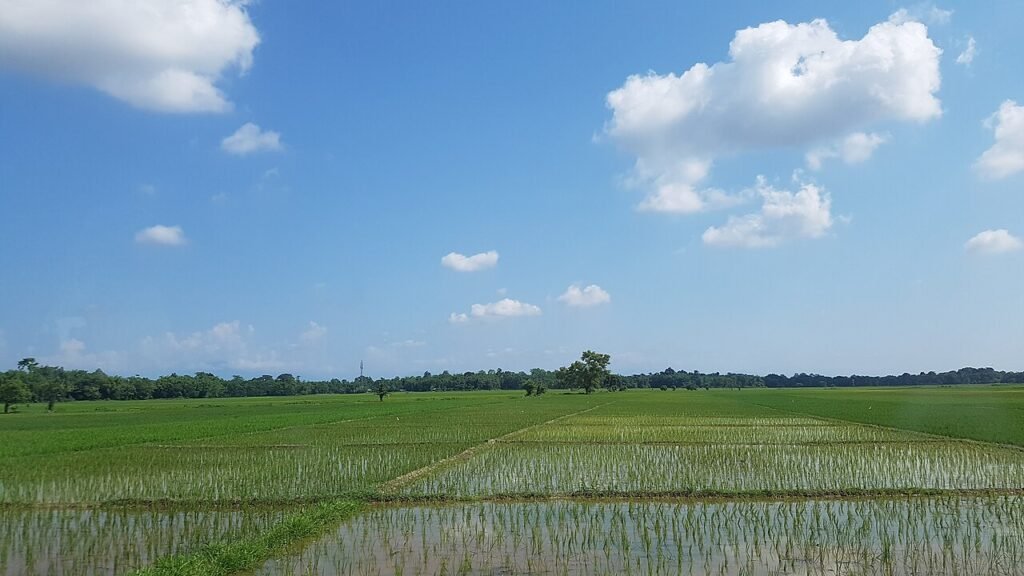
- The roost: Dharamtul is a plains area near Jagiroad in Morigaon district. Its wetlands are surrounded by paddy fields and lie close to the Kopili river.
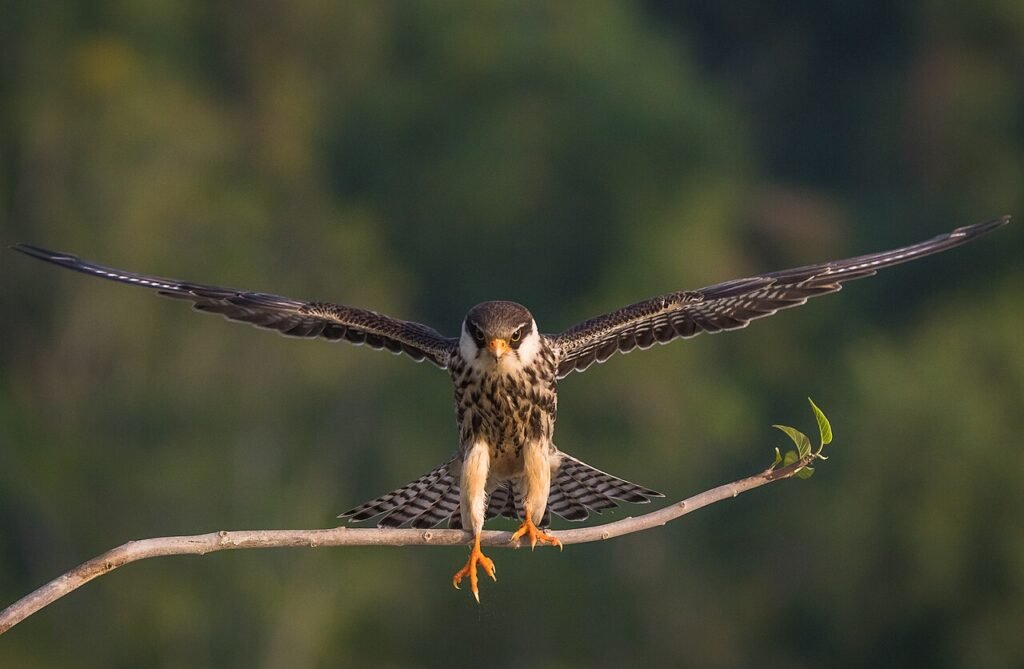
- Falcon visits: According to the writer, the falcons arrive mainly in November and remain for about 15 to 20 days. They perch in rows on electric wires and hunt over the fields and wetlands.
- Proposed industry: The writer says many constructions are planned on paddy land near Pub Dharamtul and Bhalukaguri. These sites are just 80 metres from the Kopili. A cement plant already runs near Jagiroad in the same district.
- Claimed gaps in the draft EIA: The writer says the draft EIA reports of many projects never name the Amur falcon. Some are also criticised for leaving elephants out of their wildlife plans and for making no study of river dolphins.
- Local view: Local conservationists say falcon numbers have fallen since construction began. Some villagers have opposed a few projects and allege they were kept out and not allowed to speak.
Core Concepts & Static GK
- The species: The Amur falcon (Falco amurensis) is a small bird of prey. The writer says it breeds in south-eastern Siberia, Mongolia and northern China and spends the winter on the grasslands of southern Africa. The full round trip is about 22,000 km.
- Sea crossing: On the way the birds cross the Arabian Sea. The writer puts this non-stop flight over open water at roughly 2,400 to 3,150 km.
- Refuelling stop: The falcons use the North-East to build up energy for this crossing. For weeks they feed on insects, mainly winged termites, which swarm after the autumn rains.
- Global status: The Convention on Migratory Species (CMS) has listed the Amur falcon in Appendix II since 1979. Its IUCN Red List status is Least Concern.
- Stopover habitat: A migratory bird needs a chain of safe resting sites. The writer’s central argument is that losing one such site can harm the species even after hunting has stopped.
Constitutional & Legal Framework
- Community reserve: Section 36C of the Wild Life (Protection) Act, 1972 lets the State Government declare private or community land as a community reserve. It applies where a community or an individual has volunteered to conserve wildlife and its habitat. The land must not already be inside a national park, sanctuary or conservation reserve.
- Land-use rule: Once a community reserve is notified, its land-use pattern cannot be changed. This needs a resolution of the management committee and approval of the State Government. Section 36D provides for this Community Reserve Management Committee.
- Origin: Sections 36A to 36D, covering conservation reserves and community reserves, were added by the Wild Life (Protection) Amendment Act, 2002. These provisions came into force on 1 April 2003.
- EIA stages: The EIA Notification, 2006 sets out up to four stages: screening, scoping, public consultation and appraisal. Screening applies only to Category B projects.
- Project categories: Category A projects need clearance from the Central Government on the advice of an Expert Appraisal Committee. Category B projects are cleared by the State Environment Impact Assessment Authority (SEIAA). The State Expert Appraisal Committee sorts them into B1 (EIA required) and B2 (no EIA).
Institutional Machinery
- Expert Appraisal Committee: At the scoping stage the appraisal committee fixes the Terms of Reference for the EIA study. If it does not convey them within 60 days, the Terms of Reference suggested by the applicant are treated as final.
- Public hearing: The Member-Secretary of the State Pollution Control Board fixes the date, time and venue within 7 days of receiving the draft EIA. The hearing is advertised in one national daily and one regional vernacular daily.
- Hearing rules: The public gets at least 30 days’ notice to respond. The Board must video film the entire proceedings, and the hearing must be completed within 45 days of the applicant’s request.
- Village councils: Near the Doyang reservoir in Nagaland, village councils signed an agreement with the Wildlife Trust of India and Natural Nagas in August 2013. They declared hunting of Amur falcons illegal in their areas and set a fine of Rs 5,000.
Assam & Northeast Linkages
- Known gatherings: The writer lists the big roosts in the hills. These are Pangti village beside the Doyang reservoir in Nagaland, the Tamenglong villages of Manipur and Umrangso in Assam’s Dima Hasao. Small pockets in Karbi Anglong and Morigaon are also named.
- Count: Bird counters put the number at more than 200,000 falcons across some of these sites on a single November evening in 2022.
- From hunters to protectors: Just over ten years ago, falcons were netted in tens of thousands in these hills. Village councils, eco-clubs and forest staff later won the hunters over to protect the birds.
- Doyang protection squad: The Wildlife Trust of India reported that an Amur Falcon Protection Squad of former hunters patrolled the Doyang roost in 2013. They worked with Nagaland Forest Department staff. No falcon was reported killed at the roost that season.
- Habang lesson: Habang in West Karbi Anglong was once a roost for thousands of falcons. As human disturbance grew, the birds stopped coming one year.
- The Kopili: The Kopili is a south-bank tributary of the Brahmaputra. It flows through Assam’s hill districts and central Assam before joining the main river.
Prelims Trap Zones (Watch out for)
- Name Trap: The Amur falcon is named after the Amur River region, where it breeds. It does not breed in India. India is only a stopover on the way to Africa.
- Status Trap: The Amur falcon’s IUCN status is Least Concern, not Endangered. The Gangetic river dolphin, by contrast, is Endangered on the IUCN list and is in Schedule I of the Wild Life (Protection) Act, 1972.
- Place Trap: Pangti and the Doyang reservoir are in Nagaland. Umrangso is in Dima Hasao, Habang is in West Karbi Anglong and Dharamtul is in Morigaon.
- Reserve Trap: A community reserve is declared under Section 36C, while a conservation reserve comes under Section 36A. A sanctuary (Section 18) and a national park (Section 35) are separate categories.
- Claim Trap: The fall in numbers at Dharamtul, the missing falcons in the EIA and the lack of legal protection are claims. They come from an opinion piece. They are not official findings.
Introduction
On 8 November 2026, an opinion piece warned about the Amur falcon roost at Dharamtul in Morigaon. It could be lost to industry without any hunter being involved. The writer notes that nearly the whole world population of this falcon is thought to move through North-East India each autumn. So a local planning decision in Assam can affect an entire species. The case tests whether India’s EIA process can protect a stopover that has no legal protection.
Why the Dharamtul Roost Matters
- A refuelling stop: The falcons feed for weeks in the North-East before their long sea crossing to Africa. Losing the Dharamtul wetlands would break one link in a round trip of about 22,000 km.
- Shared habitat: The writer notes that wild elephants from the Amsoi and Kholahat Reserve Forests use the same area. Gangetic river dolphins have also been confirmed in the Kopili recently, for the first time.
- Documented sightings: Local conservationists have recorded the falcons here since about 2001. Their records once showed several thousand birds, but the number is said to be falling slowly.
- Water dependence: Conservationists warn that drawing large amounts of groundwater could dry out the wetlands. They also fear effluent could flow into the Kopili through the channels that connect the fields and wetlands to the river.
- Community pride: In the hills of Nagaland, Manipur and Dima Hasao, villages now celebrate the return of the birds every season. This shows that conservation can become part of a community’s identity.
Gaps in the Siting Process (as alleged)
- Species left out: The writer says the draft EIA does not name the Amur falcon despite years of recorded sightings. A baseline study that skips the main species cannot judge the impact on it.
- Elephants and dolphins: Some plans are criticised for ignoring elephants in the wildlife plan. Others are said to have made no study of the river dolphins.
- Distance from the river: The proposed constructions on paddy land are said to be just 80 metres from the Kopili river. Such closeness raises the risk of effluent reaching the river.
- Voice of villagers: Villagers allege they were kept out and not allowed to speak. Yet the EIA Notification, 2006 requires a public hearing with at least 30 days’ notice for Category A and B1 projects.
- No legal cover: The writer says the Dharamtul wetlands have no legal protection, so no automatic limits apply. Pesticide use on the surrounding fields and new power lines add the risk of collision and electrocution.
Challenges
- Development versus habitat: A cement plant already runs near Jagiroad, and other heavy industries are also eyeing Morigaon. Each new unit competes with the wetland for land and water.
- Weak baseline data: The main record of falcons at Dharamtul comes from local conservationists since about 2001. If such local records are not used, an EIA can easily miss the species.
- Unprotected stopovers: Hunting is now checked in the hills, but Dharamtul’s wetlands have no status like a sanctuary or national park. The writer warns that falcons saved from hunters can still be lost if their resting places go.
- Procedure without participation: A public hearing is advertised in a national and a regional daily, but villagers say they could not speak. A hearing where people are not heard loses its purpose.
- Cumulative impact: Water drawal, effluent, pesticides and power lines may each look small. Together they can empty a roost, as Habang showed when the birds stopped returning after disturbance grew.
- Self-reported monitoring: The EIA Notification, 2006 requires half-yearly compliance reports, due on 1 June and 1 December. These reports are filed by the project itself, so strict follow-up depends on regulators checking them on the ground.
Way Ahead
- Independent ecological study: The writer asks for an independent study of the wetland before any decision on the cement unit. It should cover the Amur falcons, the elephants and the Kopili’s dolphins, and the State Forest Department with a research body can carry it out.
- Answer the EIA gaps in public: The writer wants the weak points of the draft EIA answered openly. The Pollution Control Board, Assam, which conducts the hearing, should record the replies and make them public.
- Hear the villagers: Families living next to the site should get a full hearing. The video film of the hearing, already required under the Notification, can show whether this happened.
- Water and pollution safeguards: The writer says no industry should be permitted to dry up or pollute the wetland. Regulators can attach binding limits on groundwater drawal and effluent discharge as conditions of clearance.
- Seasonal buffer: A buffer zone around the wetland should keep heavy construction out during the falcon season, which is mostly November.
- Community reserve: In the longer run, the writer suggests a community reserve for the wetlands. Under Section 36C the State Government can declare one on community land, while day-to-day care stays with the villages.
- Safer power lines: Power utilities can mark or insulate the new lines near the roost. This would cut the collision and electrocution risk that the writer raises.
Conclusion
If the writer’s account is right, Dharamtul shows that a migratory stopover can vanish because of a planning file and not a hunter’s net. A proper bird count, an open hearing and a community reserve would let industry and the falcons share Morigaon on fair terms. The real test is whether the hills’ success, where hunters became protectors, can be repeated on the plains of Assam.
Asked in APSC
- APSC Mains 2025, GS Paper 5 (10 marks): A private company proposes to establish a manufacturing unit in Assam. Two possible locations are available—one near a protected forest with transport facilities and another in a remote district with limited infrastructure. As a policy-maker, which location would you approve? Give reasons for your decision.
- APSC Mains 2020, GS Paper 3 (15 marks): What is Environmental Impact Assessment (EIA)? Why is it imperative to carry out an EIA of any large industrial infrastructure project?
APSC Prelims MCQs
Practice questions on this topic
Q1. The Amur falcon, a long-distance migrant, stops over in North-East India each autumn. Consider the following statements:
(i) It breeds in south-eastern Siberia, Mongolia and northern China and winters in southern Africa.
(ii) It is listed in Appendix II of the Convention on Migratory Species.
(iii) It is classified as Endangered by the IUCN.
Which of the statements given above is/are correct?
- (a) (i) and (ii) only
- (b) (ii) and (iii) only
- (c) (i) and (iii) only
- (d) (i), (ii) and (iii)
Show answer
Answer: (a) Explanation: Statements (i) and (ii) are correct. The falcon breeds in south-eastern Siberia, Mongolia and northern China and spends the winter on southern African grasslands. The Convention on Migratory Species has listed it in Appendix II since 1979. Statement (iii) is wrong because the IUCN rates the species Least Concern, not Endangered, owing to its wide range and large population. Options (b), (c) and (d) all wrongly include statement (iii). Value addition: the Gangetic river dolphin was recently confirmed in the Kopili. It is Endangered on the IUCN list and is in Schedule I of the Wild Life (Protection) Act, 1972. It was declared India’s National Aquatic Animal on 5 October 2009.
Q2. Under the EIA Notification, 2006, consider the following statements:
(i) Public consultation is required for Category A and Category B1 projects, except for a few exempted activities.
(ii) Category B2 projects do not need an EIA report.
(iii) Category A projects are appraised by the State Level Expert Appraisal Committee.
Which of the statements given above is/are correct?
- (a) (i) and (ii) only
- (b) (ii) and (iii) only
- (c) (i) and (iii) only
- (d) (i), (ii) and (iii)
Show answer
Answer: (a) Explanation: Statements (i) and (ii) are correct. The Notification requires public consultation for Category A and B1 projects. It ordinarily has two parts, a public hearing and written responses, and six listed activities are exempted. The State Expert Appraisal Committee sorts Category B projects into B1, which need an EIA, and B2, which do not. Statement (iii) is wrong because Category A projects are cleared by the Central Government on the advice of the central Expert Appraisal Committee. The State committee handles only Category B. Value addition: the Member-Secretary of the State Pollution Control Board fixes the date of the public hearing within 7 days of receiving the draft EIA.
Q3. Match List-I (Place) with List-II (District/State):
| List-I (Place) | List-II (District/State) |
|---|---|
| a. Doyang reservoir (Pangti) | 1. Dima Hasao, Assam |
| b. Umrangso | 2. Nagaland |
| c. Dharamtul | 3. Morigaon, Assam |
| d. Habang | 4. West Karbi Anglong, Assam |
Select the correct answer using the codes given below:
- (a) a-2, b-1, c-3, d-4
- (b) a-2, b-4, c-3, d-1
- (c) a-1, b-2, c-4, d-3
- (d) a-3, b-1, c-2, d-4
Show answer
Answer: (a) Explanation: The correct pairing is a-2, b-1, c-3, d-4. The Doyang reservoir, beside Pangti village, is in Nagaland, and Umrangso is in Assam’s Dima Hasao district. Dharamtul lies near Jagiroad in Morigaon district. Habang, where the falcons stopped returning after disturbance grew, is in West Karbi Anglong. Option (b) wrongly places Umrangso in West Karbi Anglong and Habang in Dima Hasao. Option (c) puts Doyang in Assam and Dharamtul in West Karbi Anglong. Option (d) places Dharamtul in Nagaland. Value addition: in August 2013, village councils around Doyang held consultations with Pangti, Ashaa and Sungro. They then declared Amur falcon hunting illegal, with a fine of Rs 5,000.
Q4. Under which provision of the Wild Life (Protection) Act, 1972 can a State Government declare private or community land as a community reserve?
- (a) Section 18
- (b) Section 35
- (c) Section 36A
- (d) Section 36C
Show answer
Answer: (d) Explanation: Section 36C lets the State Government declare private or community land as a community reserve. This applies where a community or an individual has volunteered to conserve wildlife. The land must not already be part of a national park, sanctuary or conservation reserve. Section 18 deals with the declaration of sanctuaries and Section 35 with national parks, which are separate protected areas. Section 36A covers conservation reserves, a different category from community reserves. Value addition: after notification, the land-use pattern of a community reserve cannot change. This needs a resolution of its management committee (Section 36D) and State Government approval.
Prepare with SuchitraACS
APSC CCE Foundation Programme₹24,999  APSC Prelims Crash Course 2027 (GS + CSAT)₹5,999
 APSC CCE Study Materials Package (Prelims + Mains)₹4,999